In honor of the Olympics, which just wrapped up in Milano Cortina, this month’s wine picks are from Northern Italy.
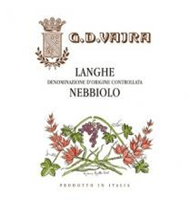
Piedmont (Piemonte, meaning the foot of the Mountains), borders the Alps, touching France to the West and Switzerland to the North. Piedmont is famous for Nebbiolo, named after the Italian word for fog (“nebbia”). Nebbiolo is often compared to Pinot Noir, in that the grapes are similarly thin-skinned and difficult to grow. However, unlike Pinot Noir, Nebbiolo is not planted widely around the globe.
Very broadly speaking, similarly to Sangiovese, the Nebbiolo grape is used in three levels of wines. Starting with the lowest level, Nebbiolo is used on the label for the “table wine” level. This level of Nebbiolo has notes of cherry and strawberry, higher acidity, and softer tannins, making it very food-friendly. There are plenty of decent bottles to be found, mostly from the Langhe DOC (Denominazione di Origine Controllata) at local stores between $17-25, such as G.D. Vajra’s version (14% ABV; 20).
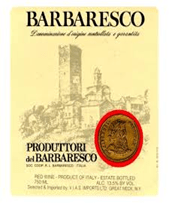
The next level up will have Barbaresco on the label, as it is Nebbiolo from the Barbaresco DOCg (Denominazione di Origine Controllata e Garantita). Barbaresco is aged a minimum of one year in oak, and one year in bottle. It is more tannic than the table level Nebbiolos, but they are softer than the tannins in the next level up, Barolo. Barbaresco pairs well with creamy pasta, risotto, wild game, and boar. A good Barbaresco will run between $25-45, and many quality bottles can be found in our local wine stores, such as the Produttori del Barbaresco – Barbaresco (14.5% ABV; $42).
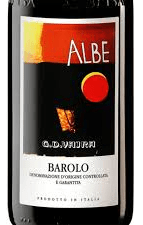
The highest quality level of Nebbiolo will have Barolo on the label (Nebbiolo from the Barolo DOCg). Barolo is called the “King” of wines. It is very tannic and has longer aging requirements (at least two years in oak, then another in bottle). Traditional Barolo is drunk 15-20 years after its bottling, but who wants to wait that long? You could drink it early, but it would be so tannic you would feel like you were chewing on a piece of wood. Not only do you have to wait so long to drink traditional Barolo, but you’ll pay $100-300 a bottle for a traditional Barolo.
So modern Barolo is now being produced, which can be consumed about 5 years (or less) after the year on its label, and for much less money ($30-50). A great modern Barolo with lots of bang for the buck is G.D. Vajra – Barolo Albe 2021 (14.5% ABV; $30-40). The perfect pairing for Barolo is a fatty steak; the tannins help clear the fat from your palate. Salute!
 VinoBrief
Leave a comment