With the arrival of longer, hotter, days, I look for wines that are lower in alcoholic content, but still dry. Two of my summer favorites that fit the bill are Vinho Verde from Portugal and Txacolina from Spain.
I’m sure you’ve noticed the pretty green bottle on the shelves in the Portugal/Spain aisle, and thought: “$7? It can’t be any good.” You’d be wrong. With flavors of apples, pears, and citrus, with a touch of zingy pétillance, Vinho Verde pairs especially well with shellfish and vegetables.
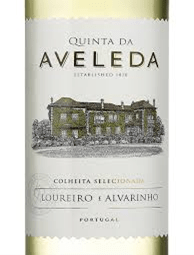
Vinho Verde is a not a grape varietal; it is a region in Northwestern Portugal (historically, the Minho region, although that has been expanded) influenced by the Atlantic Ocean. Vinho Verde translates to “green wine,” the “green” adjective not referring to color, but to youth. Vinho Verdes are usually white, but some rosés can be found. While vintages don’t really matter, old does not mean better with Vinho Verde, as these fresh wines are supposed to be consumed soon after bottling.
Vinho Verde wines have a touch of fizz (“pétillance”), either from in-bottle malolactic fermentation (historically) or from injecting carbon dioxide (more common, these days). The white wines are fresh and fruity, being high in acid, making them a great match for food. ABV is usually between 8.5% and 11% abv, making them a great choice for evenings where the sun doesn’t set until late.
The grapes used for white Vinho Verde are usually Loureiro, Arinto, Trajadura, Avesso, and Azal. There is a subset made from Alvarinho grapes, which is labeled Vinho Alvarinho. These wines are usually higher in alcohol, higher in quality, and slightly more expensive. And by more expensive, I mean $12 a bottle as opposed to $7 a bottle. Most Vinho Verde wines have screwcaps, making them perfect for picnics, tailgates, and the beach.
Several producers of Vinho Verde are widely available in this area, including Quinta da Aveleda, Broadbent, Ciconia, Casal Garcia, and if you see a bottle from Niepoort, grab it.
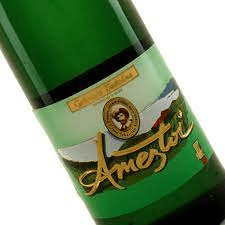
The second wine low alcohol wine I love to drink in the summer is Txakolina, produced in the Basque region in Northeast Spain. Grape varietals Hondarrabi Zuri and Hondarrabi Beltza are used to create this slightly fizzy wine, with flavors of lemon, green apple, mineral, and saline (being influenced by the maritime climate of the Bay of Biscayne). While only €4 a bottle in Spain, for some reason, I cannot find it for under $18 in New Jersey.
In San Sebastian, Txakolina is dramatically poured from a few feet above the glass by bartenders using a special pourer to accentuate the fizz. Txakolina pairs perfectly with the €1 Pintxos (tapas) served on a tavern crawl in San Sabastián, or with the Manchego cheese you have to improvise with in New Jersey. Two readily-available producers are Ameztoi (white or rosé versions available at Wineworks for $20).
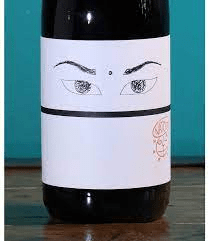
If you only drink red, there is a low alcohol red wine being made by Niepoort that you can find locally: Niepoort Nat Cool Bairrada Tinto 2021. Dirks Niepoort comes from a traditional port-making family in Portugal, but he is experimenting with making dry wines using traditional port grapes, to much acclaim.
This is a light-bodied red, made from the Baga grape variety. Floral, herbal, fresh red fruit aromas and flavors, this 11% ABV red wine is meant to be served chilled. $16 at Wineworks.
Enjoy your refreshing, low alcohol, summer wines! Topa!
 VinoBrief
Leave a comment