The 2022 American Wine Society’s National Tasting Project is Sicilian Wines. In July, the AWS Princeton Chapter held their Sicilian Wine Dinner. I was in charge of obtaining the wines, and pairing them with foods prepared by my co-host. We had three whites, three reds, and a dessert wine.
Sicily, the largest island in the Mediterranean Sea, has been a crossroads of civilisations (Greek, Phoenician, Roman, and Arab) for Millennia. The Greeks first started cultivated grapes on the island around 4000 BC. The island’s steady sunshine, moderate rainfall, and coastal breezes provide excellent conditions for growing wines. People are often surprised at how light and minerally Sicilian wines are, being from an island so far south. This is thanks to the snow-capped, active volcano Mt. Etna, which dominates the northeastern coast, providing altitude and volcanic soils to vineyards located on stone terraces following old lava flows. The other major wine region is the island’s only DOCG, Cerasuolo di Vittoria, on the southern coast. Much lower in altitude, this sun-drenched region is known for its Nero d’Avola.
Nero d’Avola is the most widely planted black (red) grape on the island, producing easy-drinking reds, with brambly fruit, spice and moderate tannins. Nerello Mascalese is the primary red grape used in Etna Rosso, producing wines that are bigger and bolder near the bottom of the volcano, and austerely mineral at higher altitudes. Cattarato is the most widely planted white grape on the island, yielding soft, dry wines. Carricante, another white grape, is the primary grape used in Etna Bianco. Carricante is zesty and dry.
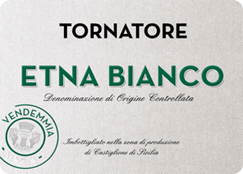
We started with an Etna Bianco from Tornatore Winery. Tornatore Winery has been in business since the 1860s, with vineyards 1,000 meters high on the north-facing side of Mt. Etna. The Carricante grapes are hand-harvested, destemmed, and pressed. After fermentation, the wine is left on its lees for three months, to impart a creamier mouth-feel. The wine is then aged 4-6 months in concrete vats. This Etna BIanco was one of the best I’ve had, with flavors of citrus, green apple, herbs, and a mineral finish. This paired well with Barefoot Contessa’s Roasted Shrimp Louie, and would taste great with any seafood or chicken. Available at Wineworks for about $20.
The Etna Rosso we tasted was produced by Erse, a winery founded in 2007, located on the northeastern slope of Mt. Etna. A blend of 90% Nerello Mascalese, 8% Nerello Cappuccio, and the rest Minnella and (the white grape) Carricante, the wine was lighter-bodied, with flavors of wild berries, coriander, cloves, and lots of pepper. The wine is aged in bottle at least one year before release. The Etna Rosso was paired with heirloom tomatoes and herbed ricotta. I had to buy this online for about $23, but Tornatore makes an excellent Etna Rosso, available at Wineworks for $21.
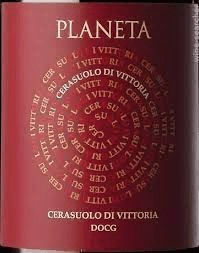
I also enjoyed the Cerasuolo di Vittoria by Planeta, a blend of Nero d’Avola and Frappato. Cerasuolo means “cherry” in a Sicilian dialect, and that is the dominant flavor, together with strawberry and pomegranate, and an herbal finish. This paired well with a rich risotto with peas. Available at Wineworks for $24.
I hope a trip to Sicily is in my future. Saluti!
 VinoBrief
Leave a comment