My November wine column is usually about the wines that were the favorites at the Bar Foundation’s Wine, Beer and Bourbon Tasting. Sadly, we weren’t able to hold that event this year, but I hope that next year it will return, bigger and better than ever.
We are heading into the holidays, and with holiday celebrations (whatever form they will take this year) comes sparkling wine. Sparkling wines are also the most versatile, pairing with almost any food, especially salty or fried foods.
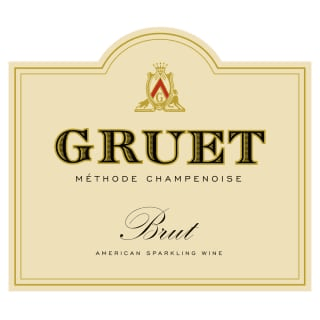
If you’ve been reading my column for a while, you know of my fondness for Gruet, the sparkling wine from New Mexico. Gruet Winery was founded by Gilbert Gruet and four of his adult children, who relocated to New Mexico from the Champagne region of France in 1984. Gruet makes its sparkling wine in the méthode Champenoise* . Even though its price increases every year, it’s still a steal at around $15 a bottle, available nearly everywhere.
You cannot go wrong with their Blanc de Blancs (made from Chardonnay grapes), Blanc de Noirs (made from Pinot Noir and Pinot Meunier grapes), or their Brut Rosé. Some stores also carry their half bottles, which are nice to have on hand during the holidays, especially if your gatherings will be smaller than usual. And if you’re ever in New Mexico, try their still Pinot Noir; it’s amazing, and I’ve never seen it sold outside of NM.
As you know, Champagne can only come from the Champagne Region of France. Chardonnay, Pinot Noir and Pinot Meunier grapes are grown by farmers, who then sell their grapes to Champagne houses, known as Negociants Manipulant (NM), such as Bollinger, Pol Roger, Veuve Clicquot, etc.
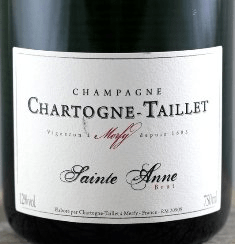
While the majority of champagne produced is NM, a growing trend is grower champagne, or Récoltant Manipulant (RM) champagne. Grower or RM champagne is when the wine is made by the same person who grew the grapes in their own vineyard. A delicious one to try is Chartogne-Taillet Sainte-Anne Brut NV. Flavors of Pear, apple, spice, almond, and honey evolve from the delicate mousse. Although not formally certified organic, Chartogne does not use chemicals, herbicides, or insecticides. He fertilizes with sheep and chicken, ploughs half his vineyards with horses, and mostly harvests by hand. Wine Spectator gave it 92 points. About $44 at Wineworks, which is great value for a Champagne of this quality.
Whether you are drinking in victory or in defeat, sparkling wine will make it better.

*Méthode Champenoise means that a secondary fermentation is done in the bottle by adding liqueur de tirage (a sugar, wine, and yeast mixture) back into the bottle and capping it. This secondary fermentation under pressure makes the bubbles. Champagne, Cava, and Franciacorta all use the méthode Champenoise. In contrast, the Tank (or Charmat) method adds sugar and yeast to a large stainless steel tank of still wine, which is sealed to prevent CO2 from escaping during its secondary fermentation. The Tank method is much cheaper and used for Prosecco and Sekt (German sparkling wine).
 VinoBrief
Leave a comment