I attended a pop-up dinner hosted by a chef friend last night, who prepared a healthy, grain-free, pescatarian, anti-inflammatory dinner. Yes, it actually was delicious and filling. She asked me to pair wines with it, and requested they be organic or biodynamic. Yes, there are organic and biodynamic wines, and many more wineries that are practicing organic farming, but have not bothered to get the government certification.
In order to be certified organic, a winery must grow grapes organically (that means, no pesticides). This requires a vineyard manager to use old school methods to grow grapes and not have the vineyard decimated by pests, or overrun with weeds competing with the grapes for nutrients. These old school methods include: planting cover crops between the vines in the fall (such as peas or clover, which are then plowed under in the spring for fertilizer), mulch, beneficial insects, and composting.
An organic wine also does not use chemical additives in the winemaking process, rather, they use egg whites, animal enzymes (similar to using rennet in cheese), and naturally occurring yeasts.
US organic wines differ from EU organic wines in one important aspect: In the US, organic means that the wine cannot be made with added sulfites, while in the EU (labeled “Bio”), organic means that it may contain added sulfites. Why do wine makers use sulfites? Sulfer dioxide is added in the bottling line to increase a wine’s shelf life, by limiting oxidation. As a result, there are many US wineries which grow organic grapes, but because they use SO2 in the bottling process, they cannot be certified organic wines.
You may also see “Biodynamic” on the label. This is organic farming combined with holistic practices to create healthier soils and crops. Over the winter, a biodynamic vineyard manager may deploy a herd of sheep or donkeys to eat the cover crops, fertilize with their manure, and churn up the soil with their hooves.
Here are several organic wines to try:

Château Mourgues du Grès – Costières de Nîmes Capitelles des Mourgues Blanc 2015. This complex white wine, a blend of Grenache blanc, Roussanne and Viognier, drinks like a wine twice its price, with aromas or white flowers, pear, melon, and toasted brioche $18 at Wineworks.
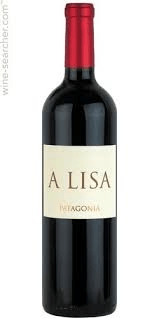
Bodega Noemia “A Lisa” Rio Negro Patagonia 2015. This wine is from Patagonia, and made with 90% Malbec, 9% Merlot, and 1% Petit Verdot. This wine has been described as a cross between a Southern Rhone and a Burgundy, with red cherries, florals, and refined tannins. Wine Advocate rated it a 93. $15 at Wineworks.
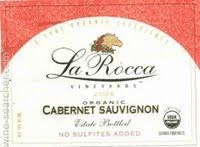
I did find a US organic wine (meaning it has no sulfites): La Rocca Vineyards – Cabernet Sauvignon Estate Bottled Organic 2012. I have not tried this wine, but the description is that it has flavors of currant, plum, black cherry and spicy oak flavors ending in a nice smokey finish. For $13 a bottle, it is worth a try, especially if you think that sulfites give you headaches (hint, it’s probably not the sulfites giving you a headache, but an allergy to tannins).
To your health!
 VinoBrief
Leave a comment